Rear-End, Left-Turn and Hit-and-Run Crashes in Miami: Lawyers Who Prove How It Happened
Three Collisions, Three Different Proofs
Not every car accident claim is argued the same way. The legal question raised by a rear-end shunt is almost never the question raised by a left-turn crash at a busy intersection, and neither one resembles what happens when the other car simply keeps driving. The evidence that decides the case, the presumption you begin from, and the policy that eventually pays all shift with the mechanism of impact.
This page is built around the three collisions Miami produces most often: the rear-end impact in stop-start traffic, the intersection or left-turn crash where right of way is contested, and the hit-and-run. Jaime Suarez has worked all three types across South Florida for over 24 years.
Find the section that matches what happened to you. If none of them quite fits, call anyway. Describing the impact for two minutes is usually enough for us to say which analysis applies and what proof it will need.
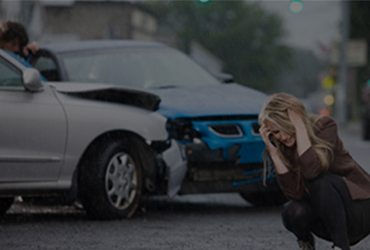
Rear-end collisions. Florida law starts from a rebuttable presumption that the driver who struck the vehicle in front was negligent. The following driver can push back with evidence that the lead car braked hard for no reason, reversed, merged without room, or was running with dead brake lights. That is the defense insurers reach for on US-1 and Coral Way, where a line of traffic compresses without warning. So a rear-end file is usually decided on injury proof and value rather than liability, until the other side produces a sudden-stop story. Then damage geometry, brake-light condition and dash footage take over.
Multi-vehicle chains complicate that picture. When three cars concertina the middle vehicle is both struck and striking, so photographs of every bumper on the scene, not only yours, separate the first impact from the second. Low speed is no defense to injury either. The force travelling through a seat back at 15 mph tears soft tissue in the neck, and a carrier that opens with the words minor damage is describing sheet metal, not a spine.
Intersection and left-turn crashes. Here liability is genuinely contested. A driver turning left must yield to oncoming traffic close enough to be a hazard, which puts the turning driver at a disadvantage from the outset, though that disadvantage is not conclusive. If the oncoming vehicle entered on a stale red, was travelling far above the limit, or came out of a lane not open to it, the yield duty is reassessed. Proving any of that means camera footage from businesses on the corner, the resting positions of both vehicles and, where damage is severe, a reconstruction built from crush profile and skid evidence.
Right of way also turns on details nobody thinks to record: which lane you entered the box from, whether the arrow was protected or permissive, how long the yellow ran. On arterials such as NW 7th Avenue and SW 8th Street the honest answer sits in a county signal cabinet log nobody produces voluntarily.
Hit-and-run. When the driver who hit you is never identified there is no liability policy to claim against, and the case turns inward to your own uninsured motorist coverage. UM treats a phantom vehicle as an uninsured one, which is why a police report filed promptly carries so much weight. Carriers routinely require notice within 24 hours plus independent corroboration that another vehicle was involved. Paint transfer, debris in the roadway, a partial plate, a witness who called it in, causeway and bridge cameras all support the claim, and all of it disappears quickly.
Insurers defend uninsured motorist claims as adversaries even though the policy is yours, so expect the same medical scrutiny a stranger’s carrier would apply. Before agreeing what a hit-and-run file is worth we check whether coverage stacks across vehicles, whether a resident relative’s policy responds, and whether a commercial or rideshare vehicle featured in the sequence.
Where these crashes happen in Miami
US-1, South Dixie Highway, delivers rear-end impacts all day where through lanes meet the frontage road and the Metrorail piers cut into sight lines. Coral Way does the same in a tighter, tree-lined form. Left-turn files cluster along NW 7th Avenue and across SW 8th Street, Calle Ocho, where permissive turns remain common. The Miami Beach causeways, the MacArthur, the Julia Tuttle and the Venetian, generate hit-and-run cases: a driver who keeps going is minutes from an exit. Injured people from the beach side are often taken to Mount Sinai Medical Center, whose imaging and discharge notes become the first objective record of what the impact did.
Frequently asked questions
Is the rear driver always at fault in a rear-end collision?
No. Florida applies a rebuttable presumption of negligence against the following driver, so the burden starts with them but can shift. Evidence that the front vehicle stopped for no reason, cut in without space, reversed, or drove with dead brake lights can rebut it. Because fault is apportioned between drivers here, a rear-end case can end with both carrying a percentage, and that percentage comes off the recovery.
What happens if the driver who hit me fled the scene?
Report it to police immediately and keep the report number. Uninsured motorist coverage is the route to compensation when the driver is never identified, and carriers condition it on prompt notice plus proof a second vehicle existed. Photograph paint transfer and debris before the car goes in for repair. If the vehicle is later traced, the claim moves to that driver’s liability insurer. Leaving the scene of a crash involving injury is a felony in Florida, which changes the tone of a case considerably.
How is fault decided in a left-turn crash?
By establishing who held the right of way at the moment of entry, not by who happened to be turning. The turning driver starts behind because of the duty to yield. That shifts when the oncoming driver ran a red, was well over the limit, or was in a lane they had no business being in. Signal timing records, corner camera footage and the resting positions of the vehicles answer it better than either driver’s memory.
Our Miami-Dade office answers on 305-631-1911. Broward matters go to (954) 529-9377 and Duval or St. John matters to (904) 800-5297. Consultations cost nothing, someone picks up around the clock, and you pay only if the case succeeds.
The Attorney On Your File
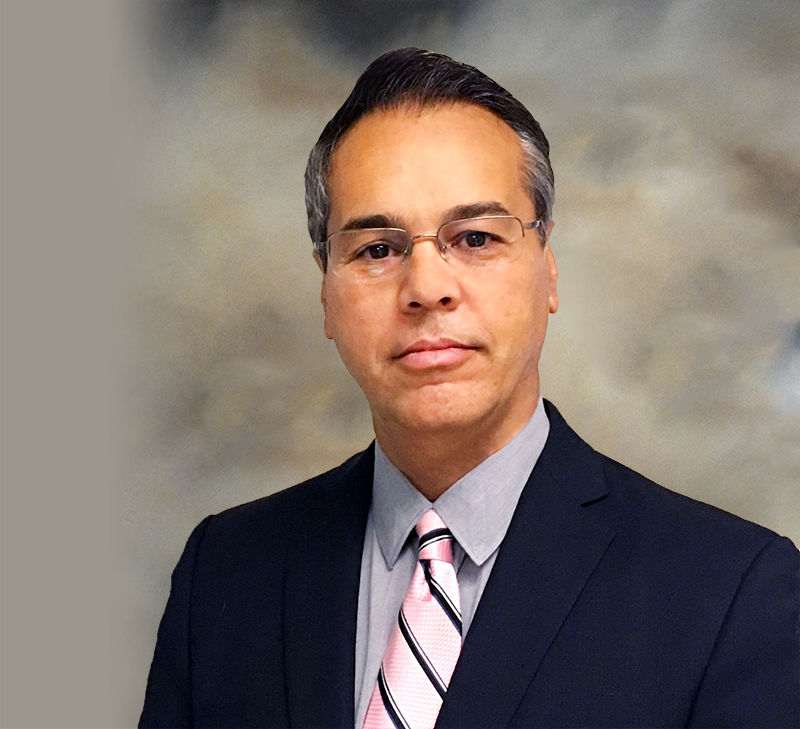
Your case is handled by attorney Jaime Suarez, a University of Miami School of Law graduate who finished with highest honors and has represented injured South Floridians for over 24 years. His practice covers collision claims of every kind, together with brain and spinal trauma, falls on unsafe property, prescription errors, negligent homicide and injuries suffered at work.
Jaime Suarez takes these cases on contingency: the consultation is free, the line is open 24 hours, and nothing is owed unless the case is won.
Describe The Impact, Get An Answer
Two minutes on the phone is usually enough. Call 305-631-1911 for a free review of your collision.

REAR-END IMPACTS
The presumption starts with the driver behind, but it can be rebutted, so we document the geometry early

TURNS AND INTERSECTIONS
Right of way is proved with signal data and corner footage, not with two conflicting accounts
THE DRIVER FLED
Uninsured motorist coverage can still pay when nobody is ever identified, provided notice goes in fast
Rear-ended, turned into, or left at the scene: we will tell you where you stand
Rear-ended on Coral Way, cut off turning left on Calle Ocho, or left standing by a driver who never stopped. Jaime Suarez will look at the mechanism of your crash and say what is worth pursuing. Free consultation any hour at 305-631-1911, or write to us by e-mail. Nothing is billed to you unless the claim pays.